Owning a home means managing far more than what is visible on the surface. Behind the walls, beneath the yard, and throughout the exterior are systems that support comfort, safety, water flow, heating, access, and structural protection. When those systems are maintained consistently, many problems can be handled while they are still manageable. When maintenance is delayed, small warning signs can turn into disruptive and expensive repairs.
A practical maintenance plan does not require checking everything constantly. Instead, it helps to understand which systems need regular attention, which symptoms should never be ignored, and which professionals should be contacted when specialized work is needed. Keeping records of inspections, repairs, installation dates, and equipment ages can also make future decisions easier.
The goal is to be proactive rather than reactive. Knowing what to look for and when to call for help can reduce uncertainty, make budgeting more predictable, and help protect the long-term condition of the property.
Respond Quickly to Water and Drainage Problems
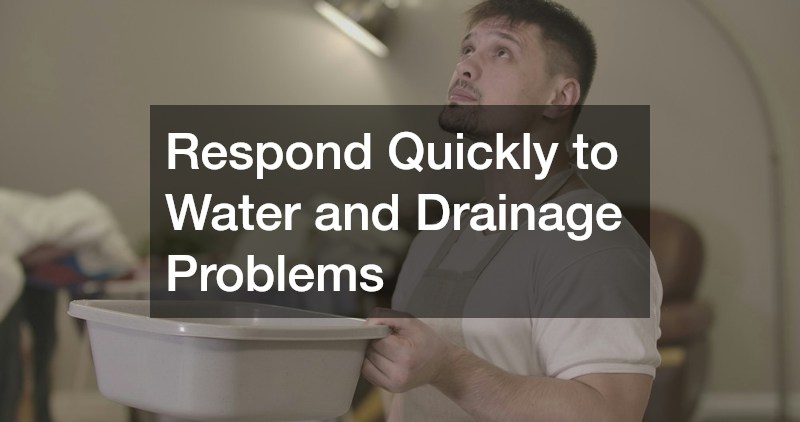
Plumbing problems are among the most disruptive issues a property owner can face because water can spread quickly and damage multiple areas at once. A small leak under a sink may remain contained for a while, but a broken supply line, overflowing fixture, or sewer backup can affect flooring, cabinets, drywall, insulation, and belongings in a short period of time.
Every homeowner should know where the main water shutoff valve is located and how to use it. It is also useful to know whether individual fixtures have separate shutoffs. In an urgent situation, stopping the water supply can limit additional damage while professional help is on the way.
Certain problems deserve immediate attention. Contact emergency plumbers when you notice situations such as:
- Water flowing from a burst or damaged pipe
- A fixture that will not stop overflowing
- Water appearing through ceilings or walls
- Sudden loss of water pressure throughout the home
- Sewage backing up into tubs, showers, or floor drains
- Standing water near plumbing equipment or supply lines
Not every plumbing issue is an emergency, but recurring symptoms should still be investigated. A sink that drains slowly every few months, repeated toilet backups, gurgling fixtures, or unpleasant drain odors may point to a problem farther inside the drainage system.
Multiple slow drains at the same time can be especially important. When several fixtures are affected, the problem may involve a larger portion of the drainage system rather than a single fixture. In those situations, a professional may use a camera inspection or other diagnostic tools to determine where the restriction is located.
Some problems eventually require sewer repair because cleaning alone cannot correct a damaged, deteriorated, displaced, or otherwise compromised line. Warning signs can include recurring backups, unexplained wet areas in the yard, persistent odors, or drainage problems that return after service.
Property owners can prepare by keeping a simple plumbing response plan:
- Save the contact information for a trusted professional before an emergency occurs.
- Label the main shutoff if it is difficult to identify.
- Keep notes on recurring problems, including dates and affected fixtures.
- Take photos of visible leaks or damage before cleanup when practical.
- Keep invoices and inspection reports for future reference.
Inspect Fuel Storage and Heating Infrastructure
Fuel storage systems often receive less attention than visible household equipment, especially when tanks are located in basements, utility areas, garages, or outside the home. However, these systems should be part of a regular property maintenance routine because age, corrosion, fittings, and surrounding conditions can affect performance over time.
Property owners who rely on heating oil should periodically look for changes around the tank and associated piping. Visible rust, dampness, staining, unusual odors, or changes near fittings deserve professional evaluation. Even when a system appears to be operating normally, documentation about its age, service history, and previous repairs can help guide future decisions.
Professional oil tank services may include inspection, maintenance, testing, removal, or other work related to existing equipment. The appropriate service depends on the type of tank, its location, condition, and local requirements.
When reviewing this part of the property, pay attention to:
- Visible corrosion or surface deterioration
- Staining beneath or around the tank
- Changes near valves, lines, or connections
- Unusual odors in the surrounding area
- Evidence of moisture or water exposure
- Missing records about the age or installation history
Replacement should ideally be planned before complete failure. If a tank is aging, deteriorated, or poorly suited to the current heating system, discussing replacement in advance gives you time to understand options and costs.
An oil tank installation involves more than placing a new tank in an available space. A professional may need to consider tank capacity, placement, accessibility, venting, connections, local requirements, and how the tank integrates with existing heating equipment. Property owners should ask what is included in the project, how the old equipment will be handled, and what documentation will be provided afterward.
Keep all records related to fuel storage systems in one place. Useful documents may include:
- Inspection reports
- Installation dates
- Repair invoices
- Manufacturer information
- Warranty documents
- Removal records for previous equipment
Maintain Reliable Energy and Water Sources
Some homes depend on systems that are easy to overlook until they stop working. Fuel-powered appliances and private wells are good examples. Both require specialized service, and both can create major inconvenience when maintenance is delayed.
Homes that use propane may rely on it for heating, cooking, hot water, fireplaces, generators, or other appliances. Because these systems involve fuel and combustion, service and repair should be handled by qualified professionals rather than treated as a do-it-yourself project.
Watch for changes in appliance performance, including difficulty starting, irregular operation, unexpected fuel usage, unusual noises, or equipment that is no longer heating as effectively as before. These symptoms do not always point to the same cause, so professional evaluation is important.
A useful maintenance routine may include:
- Keeping appliance manuals and service records
- Scheduling service based on manufacturer recommendations
- Making note of unexplained changes in fuel consumption
- Keeping the area around equipment accessible for service
- Addressing unusual performance before a complete shutdown occurs
Private water systems require similar attention. A well may operate reliably for years, but changes in pressure, water appearance, pump cycling, sediment, or supply consistency can indicate that something needs evaluation.
A local water well and drilling company can help assess issues involving wells, pumps, pressure tanks, drilling, and related equipment. Professional evaluation is especially useful when a problem affects the entire water supply rather than one fixture inside the home.
Signs worth documenting include:
- Sudden drops in water pressure
- Air sputtering from faucets
- Sediment or discoloration
- A pump cycling more often than usual
- Unexplained interruptions in water supply
- Changes that occur after storms or property work
Do not wait until there is no water at all to organize service records. Keep information about the well depth, pump installation, previous repairs, testing, and pressure tank in one location.
If you are planning a home addition, major landscaping project, or new structure, include the water system in the planning process. Changes to the property may affect access to the well or related equipment. Thinking ahead can help prevent conflicts and make future service easier.
Protect the Exterior Before Damage Spreads
The exterior of a home protects everything inside it, yet many exterior problems develop slowly enough that they are easy to ignore. Roof wear, clogged drainage, damaged flashing, stained siding, and deteriorating surfaces can all become more expensive when maintenance is postponed.
The roof deserves particular attention because small failures can allow moisture to reach insulation, ceilings, walls, and framing. Homeowners should visually monitor the roof from the ground and check interior areas for signs of moisture after severe weather.
Contact roofing companies when you notice:
- Missing, lifted, or visibly damaged shingles
- Staining on ceilings or upper walls
- Damaged flashing around penetrations
- Sagging or uneven roof areas
- Repeated gutter overflow
- Debris or visible damage after a storm
Avoid walking on the roof simply to investigate a suspected problem. Professional inspection is safer and can provide a clearer assessment of areas that are difficult to see from the ground.
Exterior cleaning also plays a role in long-term property care. Siding, walkways, patios, driveways, and other outdoor surfaces can collect dirt, organic growth, stains, and debris. Cleaning can improve appearance, but using the wrong pressure or technique may damage certain materials.
A pressure cleaning contractor can determine which surfaces are appropriate for higher-pressure cleaning and when a gentler method is needed. This matters for materials such as siding, masonry, painted surfaces, wood, and older finishes.
A seasonal exterior checklist may include:
- Clearing gutters and downspouts
- Checking that water drains away from the foundation
- Looking for loose trim or damaged exterior materials
- Trimming vegetation that is rubbing against structures
- Inspecting walkways for cracks or trip hazards
- Checking exterior stains before they spread
- Reviewing roof condition after severe storms
Improve Security and Restore Aging Property Features

Property maintenance is not limited to plumbing, heating, and structural systems. Access points, gates, railings, metal features, and other specialty components also affect how the property functions and how secure it feels.
Start by reviewing how people enter and move through the property. Exterior doors, gates, garages, workshops, and secondary buildings may all require different levels of access. Properties with frequent visitors, employees, tenants, contractors, or shared spaces may benefit from a more organized approach to entry management.
Local access control systems can provide options such as keypads, cards, credentials, managed gates, or other controlled-entry solutions. The right system depends on who needs access, how often permissions change, and which entry points need to be monitored or controlled.
Before upgrading, make a simple access map of the property. Identify:
- Primary and secondary entrances
- Gates and detached structures
- Areas used by guests or service providers
- Entry points that are difficult to monitor
- Locations where keys are frequently shared
- Access needs that may change over time
This helps prevent buying technology before understanding the actual problem you are trying to solve.
Older property features may also be worth restoring rather than automatically replacing. Metal gates, railings, outdoor furniture, equipment, and architectural elements can accumulate rust, failing coatings, or surface contamination over time.
A professional sandblasting service may be appropriate for preparing certain durable surfaces for refinishing. The process can remove old coatings, corrosion, or contaminants, but the blasting method and abrasive need to be matched to the material. That is why professional evaluation is important, particularly for thin metal, decorative pieces, or surfaces that may be damaged by an overly aggressive method.
When considering restoration, ask:
- Is the underlying material still structurally sound?
- What coating or corrosion needs to be removed?
- Will the surface require repainting or another protective finish?
- Can the item be restored in place, or must it be removed?
- What preparation is required before refinishing?
Build a Maintenance Network Before You Need It

A well-maintained property depends on more than remembering individual tasks. It also depends on having a plan for who to call, what records to keep, and which warning signs deserve attention.
Create a simple annual maintenance calendar and divide tasks by season. Keep installation dates, warranties, inspection reports, and repair invoices together so they are easy to find. Review older systems periodically and plan replacements before they become emergencies whenever possible.
It is also useful to maintain a short list of trusted professionals for the major systems around the property. When a problem develops, having contact information and service history readily available can reduce the pressure to make a rushed decision.
A useful annual review does not have to be complicated. Walk through the property, note visible changes, compare conditions with previous records, and update your service contacts. Set aside funds for predictable maintenance and aging equipment, while keeping flexibility for unexpected repairs. A small amount of organization can make it easier to prioritize work based on urgency, condition, and the effect each system has on life.
Preventive maintenance will not eliminate every unexpected repair, but it can make problems easier to recognize and address. By understanding the systems that support the home and keeping organized records, property owners can protect comfort, safety, functionality, and long-term value while making maintenance more predictable.