Winter storms can transform neighborhoods into picturesque winter scenes, but once the snow settles, homeowners often face a very different reality. Heavy snow, ice buildup, freezing temperatures, and strong winds can leave behind hidden or serious damage that may not be immediately visible. Inspecting your home after a snowstorm is an important step in preventing costly repairs, protecting structural integrity, and maintaining a safe and comfortable living environment.
Snowstorms can stress every part of a home, from the roof and gutters to the foundation, plumbing, and outdoor spaces. The weight of snow can weaken materials, trapped moisture can cause long term deterioration, and melting snow can lead to leaks or flooding. Taking time to carefully evaluate your property helps you catch small problems before they become major issues.
This guide explains what to look for after a snowstorm, how to assess potential damage, and why proactive maintenance matters. Each section focuses on a key area of your home so you can create a thorough post storm inspection routine and keep your property in strong condition throughout the winter season.
Check Your Gutters
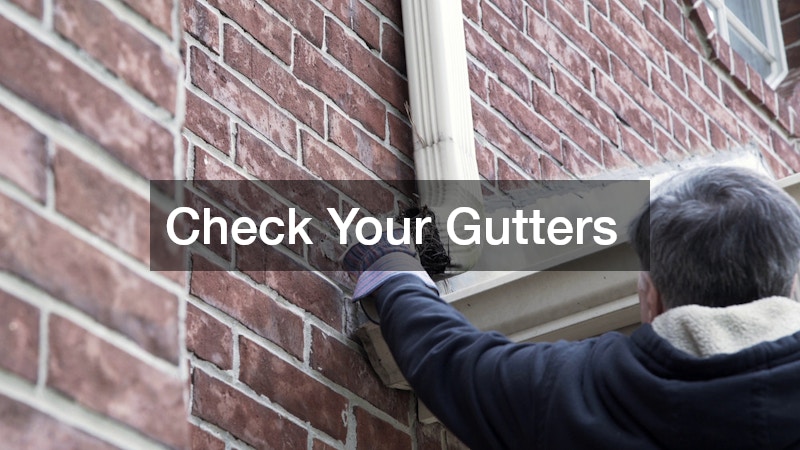
Your gutters play an important role in directing melting snow away from your home, and they are often one of the first areas to experience stress after a snowstorm. The combined weight of snow, ice, and roof runoff can cause gutters to sag, separate from the fascia, or become clogged with compacted ice. If water cannot drain properly, it may overflow and run down the exterior walls, increasing the risk of moisture intrusion, staining, and foundation issues over time.
After a snowstorm, walk around your home and visually inspect the gutters from the ground. Look for bending, tilting, or visible gaps where the gutter meets the roofline. Ice dams are another common winter problem that can trap water along the roof edge. As snow melts during the day and refreezes at night, thick ridges of ice can form and push against the gutters. If you notice icicles forming in clusters, it may indicate poor drainage or trapped moisture.
Check for signs of water streaking on siding or pooling near the base of your home, which can signal that runoff is not being properly redirected. When the weather warms enough for safe inspection, clear out remaining debris to restore flow. Professional cleaning and structural reinforcement can prevent further damage, and homeowners sometimes consult local gutter companies for help when gutters show signs of separation, cracking, or warping.
Taking care of gutter concerns early helps protect multiple areas of your home, especially during repeated freeze and thaw cycles throughout the winter months.
Inspect Your Roof
The roof shields your home from snow, wind, and ice, but those same conditions can cause significant wear after a major storm. Roof surfaces may experience shingle lifting, cracking, or granule loss, and heavy snow accumulation can strain structural components. When snow begins to melt, trapped moisture may seep under weakened shingles or flashing, eventually leading to leaks inside the attic or ceilings.
Begin your inspection by checking for visible irregularities on the roof from the ground. Look for dark patches, missing shingles, sagging areas, or uneven snow melt patterns, which can indicate insulation or ventilation problems. If safe to do so once conditions stabilize, examine the attic for damp insulation, water stains, or a musty odor. These are early warnings that moisture has found a path indoors.
Snowstorms are especially challenging for metal roofing, where expansion and contraction can loosen fasteners or seams. If panels shift or sustain impact from falling ice, repairs may be necessary to prevent further deterioration. Many homeowners rely on roofing companies when they need expert evaluation or structural repair guidance after severe winter weather, especially if there are visible leaks or widespread shingle damage. In some situations, targeted metal roofing repair may also be necessary to restore secure seams and water tight protection across affected roof sections.
Addressing roof problems quickly helps avoid interior water damage, mold growth, and structural weakening, making post storm roof inspections a critical part of winter home maintenance.
Maintain Your Foundation
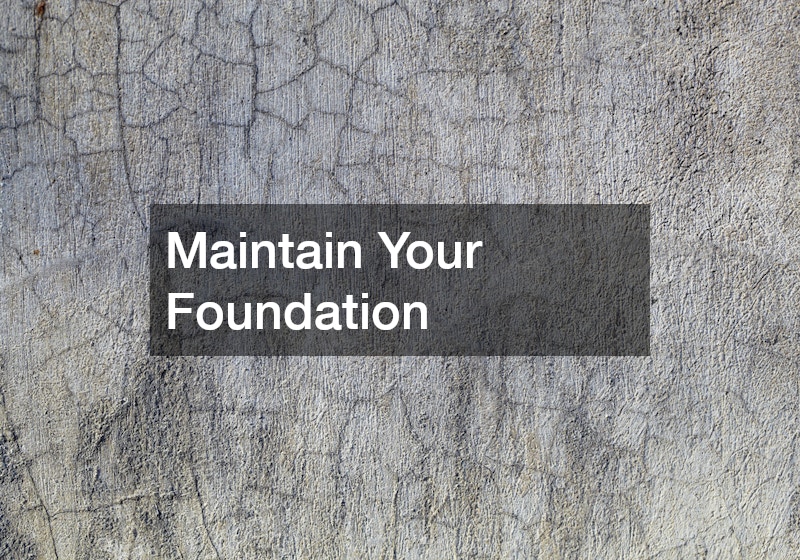
Snow accumulation around the base of your home can seem harmless on the surface, but melting snow can saturate soil and place added pressure on the foundation. When temperatures fluctuate, repeated freeze and thaw cycles can cause soil to expand and contract. Over time, this movement may create cracks, shifts, or settlement problems that threaten long term stability.
After a snowstorm, walk the perimeter of your home and look for visible cracks, bulges, or new gaps along the foundation walls. Pay close attention to areas near downspouts or low points in the yard where water tends to collect. If interior basement walls feel damp or show signs of staining, it could indicate moisture intrusion through weakened surfaces.
Snow piled too closely to the home can also trap moisture against the foundation. Clearing excess buildup and improving drainage helps relieve unnecessary pressure. If you notice widening cracks, uneven floors, or difficulty opening doors and windows, it may be time to consider professional evaluation. Some homeowners pursue concrete foundation repair when winter moisture and soil movement lead to structural displacement or ongoing water intrusion issues.
Regular monitoring after every major snow event helps ensure that any foundation changes are identified early before they evolve into larger and more expensive structural challenges.
Test Your Water Heater
Cold winter weather increases demand on your water heater, especially after a snowstorm when households rely heavily on warm water for bathing, laundry, and heating support. Sudden temperature changes and power fluctuations can stress equipment, reduce efficiency, or lead to malfunctions. Inspecting your water heater after severe weather helps ensure consistent performance and prevents unexpected breakdowns.
Begin by checking for puddles, dampness, or rust around the base of the tank. Leaks can develop when components expand and contract with temperature shifts. Listen for unusual noises such as banging or rumbling, which may indicate sediment buildup or mechanical strain. If your water does not heat properly or fluctuates between hot and cold, the system may require maintenance to restore efficient operation.
Some homeowners schedule routine servicing or system tuneups through heat pump services when their water heater is connected to integrated or energy efficient heating equipment. Inspection and preventative maintenance can extend system life, improve temperature consistency, and reduce the risk of winter failures.
Catching minor issues early can prevent water damage, reduce energy waste, and ensure your household remains comfortable during the coldest months.
Double Check Your HVAC
After a snowstorm, your heating system often works harder than usual to maintain a comfortable indoor environment. Prolonged cold and heavy moisture can affect outdoor units, air intake areas, and ventilation components. Ensuring that your HVAC system remains functional and efficient is essential for safety, comfort, and energy performance.
Inspect outdoor heat pump or furnace components for snow buildup, ice encasement, or blocked ventilation pathways. Clear away drifts that may be restricting airflow or placing pressure on equipment housings. Indoors, listen for unusual sounds, uneven heating, or weak airflow from vents. These signs may indicate strain or developing mechanical problems.
Dirty filters can further reduce efficiency and cause your system to run longer than necessary, increasing energy costs. Replacing filters regularly during winter is one of the simplest ways to support proper function.
If your system shows signs of operational stress or inconsistent performance after a storm, homeowners sometimes reach out to local hvac companies for system diagnostics, seasonal servicing, or emergency repairs.
Taking time to evaluate your HVAC system after winter weather helps prevent unexpected outages and keeps your home warm throughout ongoing cold conditions.
Protect Your Pipes and Septic System
Plumbing and wastewater systems are especially vulnerable during and after snowstorms. Freezing temperatures can cause pipes to contract, while melting snow can introduce excess water into drainage systems. Burst pipes, leaks, and system backups are common winter concerns that may develop when components experience sudden temperature or pressure shifts.
Begin your inspection by checking exposed interior pipes in basements, crawl spaces, and utility rooms. Look for condensation, frost buildup, or wet areas that indicate leaks or freezing risk. Turn on faucets and monitor water pressure and flow. Slow drainage or unusual gurgling may signal developing clogs or partial blockages.
Outdoor plumbing lines, septic components, and buried pipes can also be affected by frozen soil and meltwater runoff. Homeowners sometimes schedule septic services when winter storms cause drainage inefficiencies or suspected tank stress due to excess groundwater saturation. In certain cases where damaged lines or fittings are identified, repairs that involve pipe fusion services may be necessary to restore a secure and leak resistant connection.
Monitoring your plumbing system after every major snow event helps prevent winter flooding, water damage, and costly emergency repairs.
Test Temperature Control
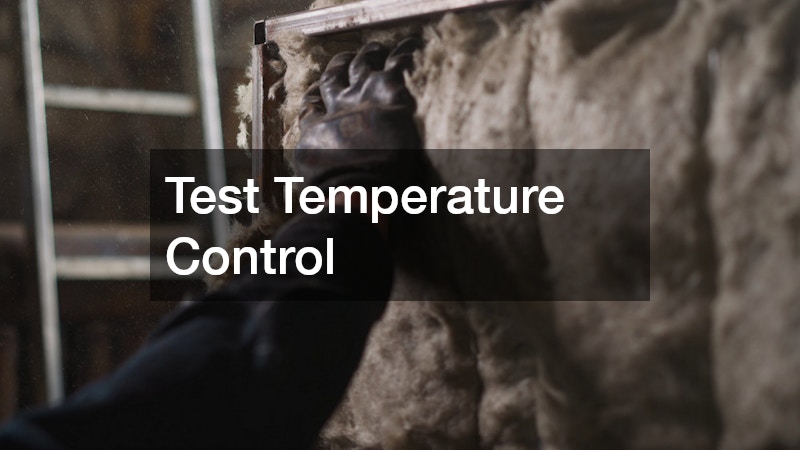
Insulation performance becomes especially important after a snowstorm, when your home must retain heat efficiently despite ongoing cold temperatures. Poor insulation can cause uneven heating, high energy bills, and excessive melting on the roof that contributes to ice dam formation. Inspecting temperature control throughout your home can reveal areas where heat may be escaping.
Walk through each level of your house and note whether certain rooms feel significantly colder than others. Check around windows, attics, and exterior walls for drafts or cold spots. In the attic, look for areas where insulation appears compressed, damp, or displaced. Moisture from melting snow can reduce insulation effectiveness and contribute to long term damage.
Improving insulation not only supports comfort but also reduces stress on your HVAC system and prevents winter moisture buildup. Some homeowners consult professionals who provide fiberglass insulation service when they notice persistent temperature fluctuations or energy loss after repeated cold weather events.
Testing and upgrading insulation where necessary helps maintain consistent indoor temperatures and protects your home from winter related wear.
Focus on Your Yard and Outside Areas
While most winter storm inspections focus on the structure of the home, outdoor spaces and landscaping can also experience significant damage. Heavy snow and ice can weigh down trees, shrubs, fences, and retaining features, sometimes resulting in cracking, leaning, or collapse. Once the snow begins to melt, you may notice changes in soil grade, erosion, or pooling water that can affect drainage near your home.
Walk through your yard and look for fallen branches, damaged fencing, or shifted pathways. Snow covered walkways and patios can hide cracks or heaving caused by frozen ground expansion. Stone features, retaining walls, and decorative outdoor elements may loosen or shift when moisture freezes within joints or seams.
If your property includes outdoor living spaces, pathways, or structural landscaping elements, you may choose to work with hardscaping contractors when repairs or stabilization are needed after harsh winter weather. Restoring damaged outdoor areas not only improves appearance but also enhances safety and prevents drainage problems that could impact your home structure.
Caring for your yard and exterior features after a snowstorm supports the overall health and stability of your property.
Snowstorms can leave both visible and hidden damage throughout your home, making thorough post storm inspections an essential part of winter maintenance. By checking your gutters, roof, foundation, plumbing, heating systems, insulation, and outdoor areas, you can identify developing issues early and protect your property from long term deterioration. Even small signs of damage, such as minor leaks, hairline cracks, or unusual noises from mechanical systems, can signal larger problems if they are left unaddressed after repeated freeze and thaw cycles.
Taking the time to carefully evaluate each area of your home not only helps you prevent immediate problems, but also supports long lasting structural stability. A thoughtful inspection routine can reduce the risk of moisture damage, improve drainage, extend the lifespan of essential systems, and create a safer and more comfortable environment for your household throughout the winter months.
Proactive attention helps maintain structural integrity, prevents costly repairs, and ensures your home remains safe, comfortable, and efficient throughout the winter season. Addressing concerns early often means the difference between a quick repair and an expensive replacement. Homeowners who stay alert to seasonal changes are better prepared to respond to weather related wear, protect their property, and maintain long term value.
Taking time to walk through each area after every major snow event allows you to stay ahead of potential problems and preserve the value and longevity of your home. With consistent care, smart maintenance habits, and awareness of winter related risks, you can face future storms with greater confidence and keep your home protected through every cold weather season.