Building permits are essential approvals from local government agencies that ensure construction projects comply with local, state, and federal building codes and regulations. This seemingly bureaucratic process plays a crucial role in maintaining the safety and welfare of the public. Building codes are designed to mitigate risks such as structural failures, fire hazards, and environmental impacts.
By requiring building permits, municipalities can enforce these standards and ensure that all construction adheres to safety norms. Upon application, the project is examined, ensuring that it aligns with zoning laws, land use plans, and historical conservation, if relevant.
The process of obtaining a building permit involves submitting detailed architectural plans and construction specifications. These documents are meticulously reviewed by the building department to confirm adherence to applicable building codes. For many homeowners and developers, understanding the intricacies of the building permit application can streamline the timeline of their projects. Written approvals from relevant local authorities not only serve as legal documentation but also protect the developer’s interests by demonstrating compliance with all necessary safety and zoning regulations. Additionally, this process often encourages the integration of sustainable and innovative construction practices through incentives for eco-friendly buildings.
Building permits cover a broad spectrum of activities, from new constructions and large renovations to relatively minor repairs. Whether you’re adding an extra room, demolishing a part of your home, or even undertaking significant plumbing work, a building permit may be essential. It is always advisable for property owners and developers to consult with the relevant building authority to ascertain permit requirements specific to their projects. This forethought can prevent costly future rectifications and potential legal challenges. Furthermore, working without a building permit, when one is required, can result in hefty fines, delays, and sometimes legal orders to dismantle completed work.
The Importance of Building Permits
Building permits offer significant benefits by safeguarding both property owners and the wider community. One of the primary benefits is ensuring public safety. Buildings constructed without the necessary permits may lack critical safety features, thereby posing risks to occupants and the public. Additionally, obtaining a building permit often serves as a formal check and balance to identify issues early in the construction process. By catching potential code violations beforehand, the builder is given a chance to rectify discrepancies, reducing the likelihood of future complications.
Another substantial benefit of building permits is the enhancement of property value. When a property is sold, buyers may be interested in making sure that previous renovations and constructions complied with legal standards. A building permit serves as proof that modifications and additions were executed to code and reassures potential buyers. In essence, it adds an extra layer of confidence and coverage, which can facilitate smoother real estate transactions. Misrepresenting completed work or not fulfilling permit requirements can lead to disputes during transactions, potentially affecting the sale price or leading to concessions.
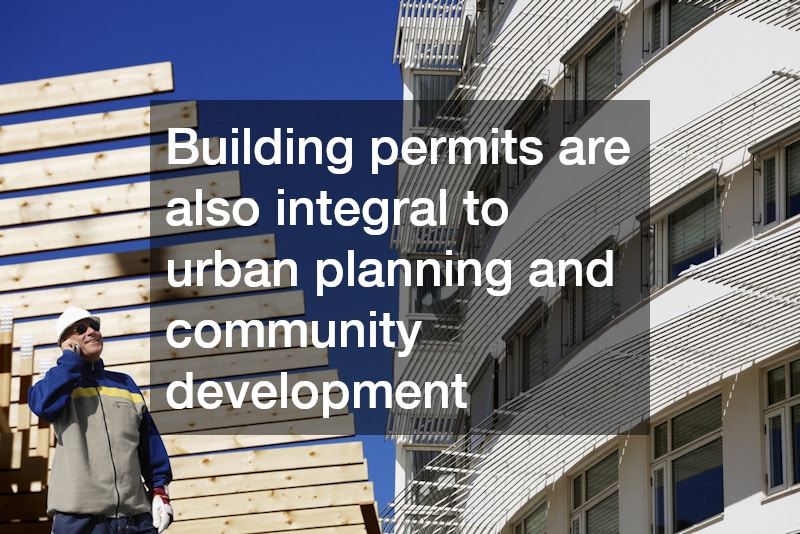
Building permits are also integral to urban planning and community development. They help ensure that all constructions fit within the grander scheme of community development plans. This includes adherence to zoning ordinances, historical preservation, and environmental impact standards. A robust permitting process assists local authorities in managing growth, preserving the character of neighborhoods, and responding effectively to community feedback. Furthermore, data collected through permits can aid municipalities in infrastructural planning and environmental conservation efforts.
The Permit Application Process
Acquiring a building permit typically starts with an application submitted to the local building department. The application consists of detailed plans and specifications outlining the scope of the project. Besides architectural drawings, it may require other documentation like a site plan, structural calculations, and energy compliance reports. Thoroughness and accuracy at this stage can significantly streamline the review process. Once submitted, the application undergoes a stringent review to ensure compliance with all relevant codes, regulations, and ordinances.
Following the initial review, inspectors may conduct a site visit to further assess the project details and site conditions. Their goal is to identify any potential issues that might endanger public safety or contravene building codes. After satisfying all requirements and conditions, the building permit is approved and issued. At this point, construction can commence, but the building department continues to play a supervisory role. Regular inspections during different phases of construction ensure adherence to the approved plans, including additional on-the-spot checks for compliance.
Completing the final inspection is the ultimate confirmation of compliance, a necessary step before the official certificate of occupancy is granted. During this phase, inspectors verify that all work aligns with the approved permit specifications. Passing this inspection signifies that the constructed space is safe for use and occupation. Therefore, understanding and following the building permit process from inception to conclusion is imperative. Constructing without this due diligence can lead to inconveniences, financial penalties, and safety hazards, hallmarks of poor project management.